A dual-spout pouch is designed for two contents that need to remain separate but be accessed from one package.
This can work for two-part skincare, hair care, treatment products, or other formulations that should not be mixed during storage. Separate chambers help keep each formula independent until use.
This kind of separation isn’t unique to pouches — the same logic drives other dual-chamber formats across personal care. Aptar’s Neomix dual-chamber airless system, for instance, pairs a main bottle with a separate cartridge so two formulas stay apart until the moment they’re dispensed together, showing how “storage-separate, use-together” is a recognized packaging problem well beyond pouches alone.
3. Connected Pouches: What Problem Do They Solve?
Here, a connected pouch means two individual stand-up pouches joined together.
The products remain separate, but the packaging keeps them together for retail or promotional purposes. Shampoo and conditioner sets are one example — this format has been used for dual-pack shampoo and conditioner sample sachets sold as a joined pair.
The same structure can also work for snack combinations, sauces, cleaning products, or other paired products. A tear line can allow the two pouches to be separated after purchase — a format sometimes referred to as a twin separable pouch, where a center seal or perforation holds two chambers together until the customer tears them apart.
4. The Shared Logic Behind Both Designs
The difference is straightforward.
A dual-spout pouch solves a “use together” problem.
A connected pouch solves a “sell together” problem.
In both cases, the packaging structure comes from the product requirement.
5. Illusionpack’s Design Capabilities
Illusionpack works on both formats described above — from spout pouches built for coordinated two-part use to stand-up pouches joined for retail pairing — supporting projects from concept and structure development through to production.
6. FAQs
1. What products use dual-spout pouches?
Two-part skincare, hair care, treatments, and other products with separate formulas.
2. How are connected pouches joined?
Usually through a sealed connection area, often with an optional tear line.
3. Can the two pouches be separated?
Yes, a perforation or easy-tear connection can be added.
4. Is the MOQ higher for custom structures?
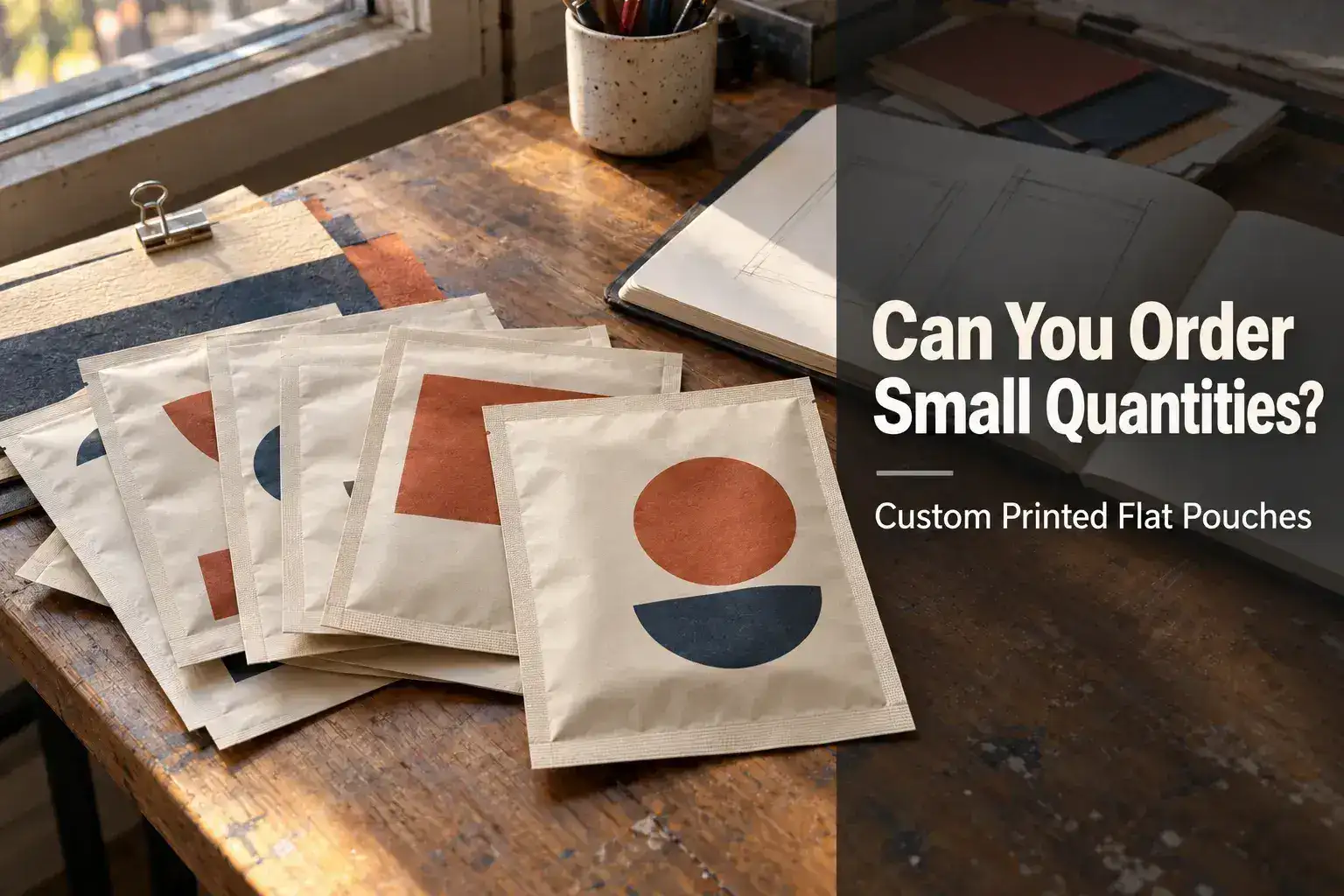
It can be. MOQ depends on size, materials, printing, and production requirements.
5. How long does custom development take?
It depends on the structure, tooling, sampling, and production specifications.