Buying wholesale pet supplement packaging starts with the supplement, not the bag artwork. Soft chews, powders, tablets and liquids behave differently during filling, transport and repeated use. Define the product, protection requirements and serving method before choosing a pouch size or accepting a material recommendation.
Illusionpack’s wholesale pet supplement packaging options are part of its pet packaging range. Use the checklist below to prepare an enquiry for your own formula and to compare suppliers on the same specification.
Before you ask for a price: prepare the product form, fill weight or count, approximate bulk volume, target shelf life, storage conditions, filling process and quantity per design. A supplier cannot select a finished pouch reliably from “pet supplement” alone.
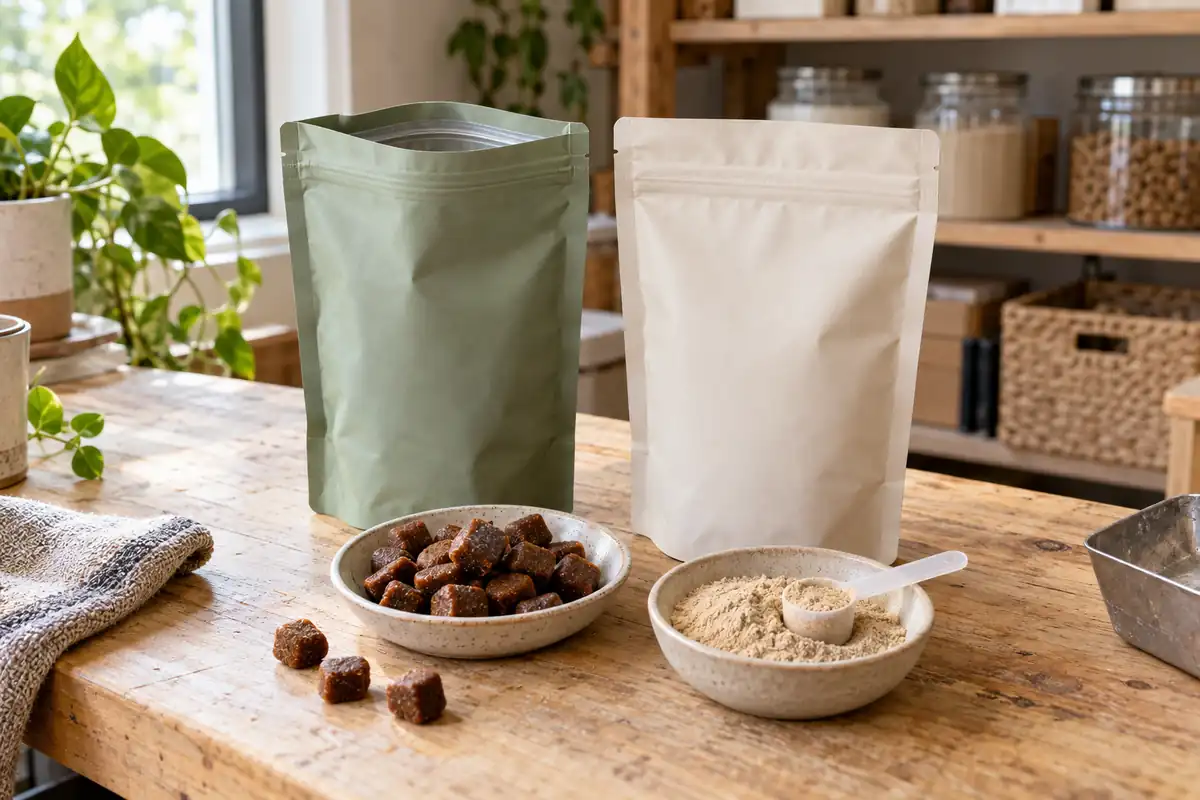
A soft chew can leave residue near the seal or zipper. A fine powder can dust during filling and affect the sealing area. Tablets and capsules need usable count capacity without unnecessary empty space. Liquids require a compatible film, closure and leak-resistant seal arrangement. These differences should appear in the specification before artwork is finalized.
Supplement form Packaging questions Sample check Soft chews Product contact, moisture balance, opening and resealing Can users remove a chew without contaminating the closure? Powders Moisture protection, dust control and scoop access Does the fill process leave a clean top-seal area? Tablets or capsules Count volume, light sensitivity and transport handling Does the intended count fit without damage or awkward empty space? Liquids or oils Film compatibility, spout specification and filling temperature Does the complete filled package remain sealed through handling?
Use these questions to start a discussion, not as universal material prescriptions. The final construction must be selected and validated for your formulation. A pouch used successfully for a different supplement is useful as a reference, but it is not proof of compatibility with yours.
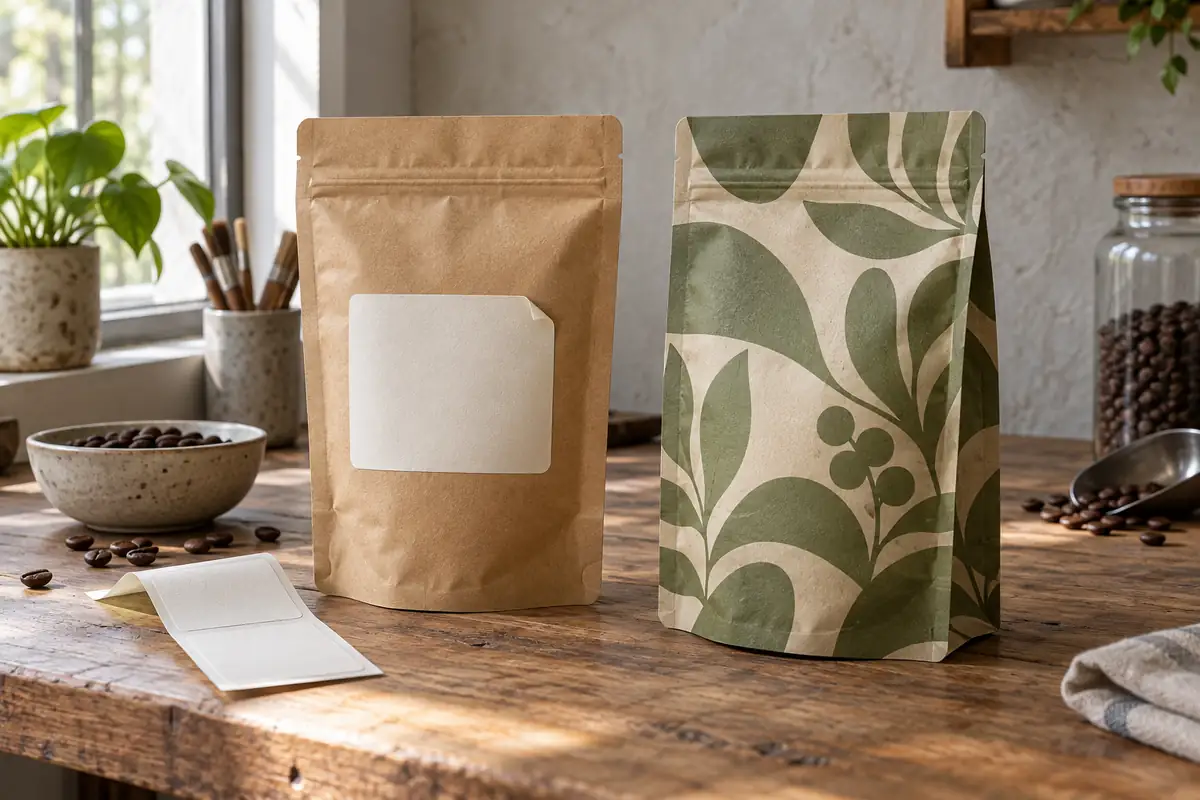
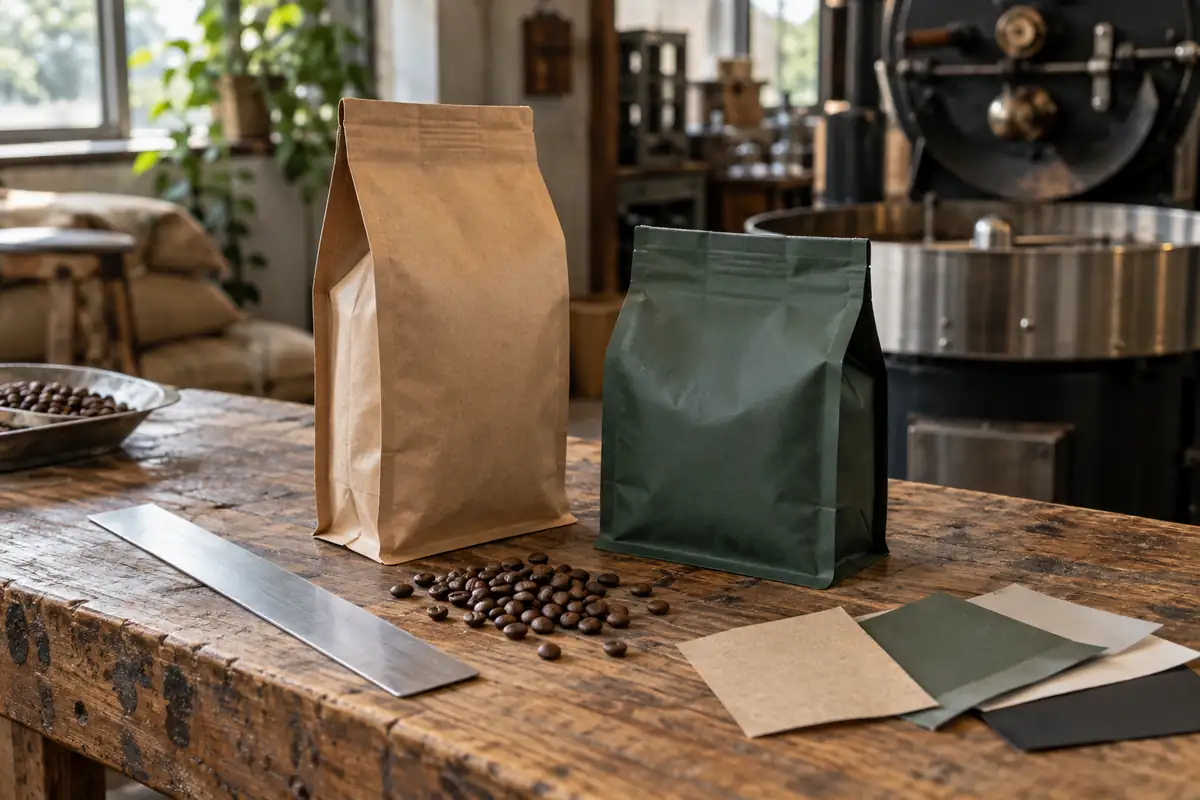
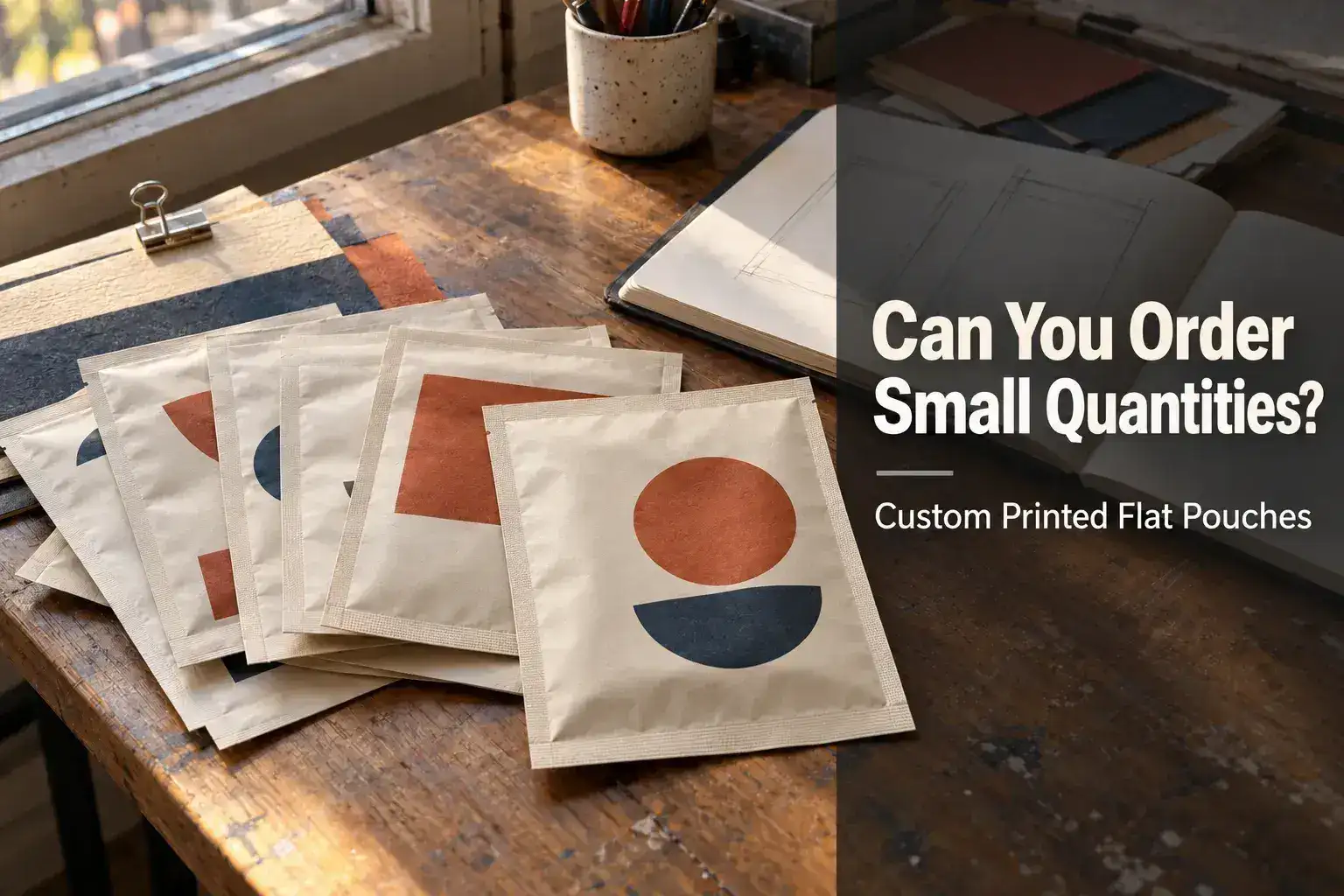
Resealable stand-up pouches can be considered for multi-serving chews and powders. Flat-bottom pouches offer a stable base and a different panel layout for larger fills. Flat pouches can be considered for portions. A compatible spout pouch is a separate discussion for suitable liquids.
Check the practical opening. A scoop must fit through the usable mouth above the product. The zipper should be reachable without forcing the user to fold the bag into an awkward shape. Leave sufficient space for filling, headspace and the final heat seal. Confirm these dimensions on a drawing and with the actual contents.
A spout-pouch example for discussing suitable liquid applications. Chews and powders require their own format and closure assessment. 3. Specify Protection as a Finished-Pack Requirement Ask what the product needs protection from: moisture entering or leaving, oxygen, light, handling or a combination. Describe the intended storage conditions and distribution route. This helps the supplier discuss a film structure and performance information relevant to the finished pouch.
A clear window, metallized film and foil-based laminate are not interchangeable choices. Their appearance alone does not establish a shelf life. Ask for the proposed structure, thickness and available barrier information, including the conditions used for any reported test. Seams, closures and filling conditions also affect the performance of the complete package.
Keep the discussion tied to the formula. There is no single barrier number that fits every chew, probiotic powder or tablet. For broader nutrition applications, the supplement packaging solutions page provides additional pouch options to discuss.
4. Treat Zippers and Top Seals as Different Features A zipper supports repeat opening and closing after the pack is first opened. The initial heat seal and the zipper serve different purposes. Specify the top-seal area, tear-notch position, opening clearance and closure type instead of simply asking for a “resealable bag.”
Test with the product present. Powder on the seal area or chew residue in a zipper can change real-world handling. Check a realistic fill quantity, several opening-and-closing cycles and the way the pack will sit during daily use. If a closure or tamper feature has a specific requirement, identify it explicitly in the brief.
5. Request Comparable Wholesale Quotations Send each potential supplier the same product and pouch brief. A lower price is hard to interpret if the film, usable fill capacity, closure or printing method differs. Ask suppliers to identify their assumptions and alternatives, then compare a common specification.
Product form and actual fill weight, count or volume. Pouch format, dimensions and required opening. Material requirements and available product stability information. Total quantity and quantity for each artwork version. Zipper, tear notch, spout or other confirmed features. Artwork status, sample needs and destination market. Required arrival date, shipping destination and packing requirements. Ask which MOQ applies per size, material and design. Separate sample costs, applicable print setup, pouch production and shipping. Review the general lead-time guidance , then obtain a schedule for artwork approval, sampling, production and transport for the actual order.
6. Check Samples Before Approving the Production Specification Clarify what each sample represents. A stock pouch may help you compare material feel and closures. An artwork proof helps check layout. A prototype or production sample may address additional details, depending on how it was made. Record the differences between the sample and the proposed finished pack.
Use a filled trial to check capacity, seal cleanliness, leaks, opening, scooping and resealing. Examine the pouch after the handling expected in distribution. Product stability and shelf-life validation should use the actual supplement and the intended storage conditions. Packaging appearance cannot establish that an active ingredient remains within specification.
7. Prepare Artwork Around Product Information Reserve readable panels for the information your product needs, including ingredients, intended use, serving instructions and lot or date coding as appropriate. Confirm the content required for your destination market with the responsible product team before approving the artwork. A packaging supplier’s print proof is not a review of your product claims.
Keep small text and codes away from seals, folds and the zipper. Check contrast on the intended substrate, including any window or metallic area. Approve the construction, drawing and artwork version together so a later size change does not invalidate the layout.
Pet Supplement Packaging FAQ
Can I use an ordinary pet treat pouch for a supplement? It may be a format to investigate, but do not assume the same construction is suitable. Confirm the supplement’s compatibility, barrier requirements, filling process and intended shelf life.
Is a window always a good choice for chews? A window can show the contents, but it changes the light-protection discussion. Decide against the needs of the specific formula and validate the complete package.
What should I send to a pet supplement packaging supplier first? Send the supplement form, fill quantity, approximate volume, storage conditions, target shelf life and quantity per design. Add a reference pack or drawing if you have one.